Ever wondered what happens when a system crasher strikes? It’s not just a glitch—it’s chaos in motion, disrupting everything from your PC to global networks. Let’s dive into the real story behind system crashers.





What Exactly Is a System Crasher?

The term system crasher might sound like something out of a sci-fi movie, but it’s very real—and increasingly common in our digital world. A system crasher refers to any software, hardware failure, malicious code, or human action that causes a computing system to fail unexpectedly, leading to downtime, data loss, or security breaches.
Defining the Term: Beyond Simple Crashes
While a regular system crash might involve a frozen screen or an unexpected reboot, a system crasher implies a more severe or intentional disruption. This could be due to bugs, malware, overloads, or even deliberate cyberattacks designed to bring systems to their knees.
- A system crasher can be accidental (e.g., faulty driver update)
- It can also be intentional (e.g., a DDoS attack)
- The impact ranges from minor inconvenience to critical infrastructure failure
Common Causes of System Crashes
Understanding the root causes helps in both prevention and recovery. According to research by Microsoft Research, software bugs and driver incompatibilities are among the top triggers.
- Software bugs and memory leaks
- Hardware malfunctions (failing RAM, overheating CPU)
- Malware or ransomware attacks
- Poorly coded applications or updates
“Over 70% of system crashes in enterprise environments are linked to third-party drivers.” — Microsoft Research, 2022
Types of System Crasher Events
Not all system crashers are created equal. Some target personal devices, while others aim at large-scale networks. Recognizing the type helps in crafting the right defense strategy.
Hardware-Induced System Crasher
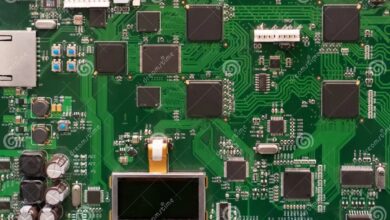
When physical components fail, they can trigger a system crasher event. For example, a failing power supply or overheated GPU can cause sudden shutdowns or blue screens.
- Overheating due to poor ventilation or dust buildup
- Failing storage drives (HDD/SSD)
- Power surges damaging motherboard circuits
Regular hardware diagnostics using tools like MemTest86 can help detect early signs of failure before they become full-blown system crasher incidents.
Software and OS-Level Crashes
Bugs in operating systems or applications are a major source of system crasher behavior. The infamous Windows Blue Screen of Death (BSOD) is a classic example.
- Kernel panics in macOS and Linux
- Driver conflicts after system updates
- Memory corruption from poorly written code
Developers often use crash reporting tools like Crashlytics to identify and fix these issues before they affect millions.
Malicious System Crasher Attacks
Some system crashers are not accidents—they’re attacks. Cybercriminals use denial-of-service (DoS) techniques to overwhelm systems until they collapse.
- DDoS attacks flooding servers with traffic
- Logic bombs embedded in software
- Ransomware that corrupts system files
These malicious system crasher tactics are on the rise, especially targeting financial institutions and healthcare systems.
System Crasher in Gaming: When Fun Turns Into Frustration
Gamers know the agony of a system crasher mid-match. Whether it’s a sudden freeze or a complete reboot, these crashes ruin gameplay and can even cost competitive players their rankings.
Why Games Are Vulnerable to Crashes
Modern games push hardware to its limits, demanding high GPU usage, fast memory access, and stable internet connections. Any weakness can turn into a system crasher.
- Resource-heavy graphics settings exceeding hardware capacity
- Poorly optimized game engines
- Background processes consuming CPU cycles
Platforms like Steam and Epic Games now include built-in crash reporting to help developers patch bugs faster.
Mods and Custom Content: A Double-Edged Sword
While mods enhance gameplay, they’re also a leading cause of system crasher events in games like Minecraft or The Sims.
- Incompatible mod versions
- Conflicts between multiple mods
- Unverified third-party scripts
Using mod managers like Nexus Mod Manager can reduce the risk by organizing and validating mod installations.
Case Study: The Fallout 76 Launch Disaster
When Fallout 76 launched in 2018, players were met with constant crashes, bugs, and server instability—classic signs of a widespread system crasher problem.
- Server overload due to unexpected player numbers
- Buggy netcode causing desync and disconnects
- Poor optimization across platforms
Bethesda spent months releasing patches to stabilize the game, proving how costly a system crasher can be to a studio’s reputation.
System Crasher in Enterprise Environments
In business, a system crasher isn’t just annoying—it’s expensive. Downtime can cost companies thousands per minute, not to mention the damage to customer trust.
Financial Impact of System Crashes
A study by Gartner estimates that the average cost of IT downtime is $5,600 per minute. For large enterprises, this can exceed $1 million per hour.
- Lost productivity during outages
- Revenue loss from e-commerce downtime
- Legal penalties for data breaches caused by crashes
“One hour of downtime can cost a Fortune 500 company over $100,000.” — Gartner, 2023
Common Enterprise Vulnerabilities
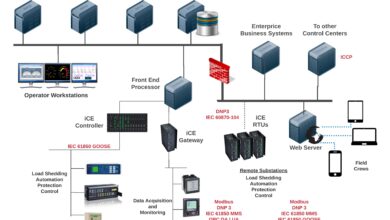
Large organizations often run complex, interconnected systems, making them prime targets for system crasher events.
- Legacy systems incompatible with modern software
- Insufficient disaster recovery plans
- Human error during system updates
Regular audits and failover systems are essential to minimize risks.
Real-World Example: The 2021 Facebook Outage
On October 4, 2021, Facebook, Instagram, and WhatsApp went down for nearly six hours due to a BGP (Border Gateway Protocol) misconfiguration—a textbook system crasher caused by human error.
- Configuration change disrupted DNS routing
- Internal tools became inaccessible
- Billions in lost ad revenue and user trust
This incident showed how a single mistake can trigger a global system crasher event.
How to Prevent System Crasher Incidents
Prevention is always better than cure. Implementing proactive measures can drastically reduce the likelihood of a system crasher derailing your operations.
Regular System Maintenance
Just like a car needs oil changes, computers need routine maintenance to stay crash-free.
- Update operating systems and drivers regularly
- Clean temporary files and cache
- Run disk cleanup and defragmentation (for HDDs)
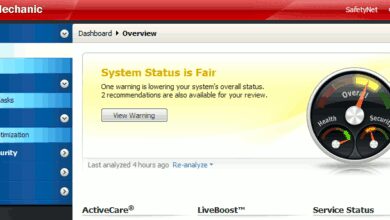
Tools like CCleaner or Windows’ built-in Disk Cleanup can automate much of this process.
Monitoring and Early Warning Systems
Modern monitoring tools can detect anomalies before they escalate into full system crasher events.
- Use software like Nagios or Zabbix for server monitoring
- Enable real-time alerts for CPU, memory, and disk usage spikes
- Log analysis to spot recurring crash patterns
These systems act as early warning radars, giving IT teams time to respond.
Security Best Practices
Many system crashers are triggered by malware or unauthorized access. Strong security protocols are non-negotiable.
- Install reputable antivirus and anti-malware software
- Use firewalls to block suspicious traffic
- Enforce multi-factor authentication (MFA)
Regular employee training on phishing and social engineering can also prevent many attacks.
Recovering from a System Crasher Event
Even with the best precautions, system crashers can still happen. Knowing how to recover quickly is crucial.
Immediate Response Steps
When a crash occurs, the first few minutes are critical.
- Document error messages and crash codes
- Restart the system in safe mode (if possible)
- Disconnect from the network if malware is suspected
This helps preserve evidence and prevents further damage.
Data Recovery and Backup Solutions
Having backups is the best insurance against data loss from a system crasher.
- Use the 3-2-1 backup rule: 3 copies, 2 media types, 1 offsite
- Cloud backups via services like Backblaze or Google Drive
- Regularly test restore procedures
Without backups, recovery can be impossible or extremely costly.
Post-Crash Analysis and Reporting
After recovery, conduct a root cause analysis to prevent recurrence.
- Review system logs and crash dumps
- Interview users or staff involved
- Update incident response plans
This step turns a crisis into a learning opportunity.
Future Trends: AI and the Evolution of System Crasher Defense
As technology evolves, so do the threats. But so do the defenses. Artificial Intelligence (AI) is now playing a key role in predicting and preventing system crasher events.
AI-Powered Anomaly Detection
Machine learning models can analyze system behavior and flag deviations before they lead to crashes.
- AI monitors CPU, memory, and network patterns
- Learns normal behavior and detects outliers
- Alerts administrators to potential system crasher risks
Companies like IBM and Google are already deploying AI-driven monitoring in their cloud platforms.
Predictive Maintenance Using Big Data
By analyzing vast amounts of operational data, systems can predict hardware failures before they happen.
- Sensors track temperature, vibration, and usage patterns
- Algorithms forecast when a component might fail
- Automated alerts trigger preemptive replacements
This approach is widely used in data centers and industrial IoT environments.
The Role of Quantum Computing in System Stability
While still emerging, quantum computing could revolutionize how we handle system stability and security.
- Quantum encryption for ultra-secure systems
- Faster simulation of system failures
- Potential for self-healing networks
Though years away from mainstream use, the implications for preventing system crasher events are profound.
Legal and Ethical Implications of System Crasher Activities
Not all system crashers are accidental. Some are deliberate acts with serious legal consequences.
When Crashing Systems Becomes a Crime
Intentionally causing a system crasher event can violate computer fraud and abuse laws in many countries.
- The U.S. Computer Fraud and Abuse Act (CFAA) criminalizes unauthorized access
- DDoS attacks can lead to federal charges
- Penalties include fines and imprisonment
Even script kiddies testing tools on public servers can face prosecution.
Gray Areas: Security Research vs. Malicious Intent
Some hackers argue they’re exposing vulnerabilities to help, not harm. But the line is thin.
- Ethical hackers use penetration testing with permission
- Unauthorized testing can still cause crashes and liability
- Responsible disclosure is key to staying legal
Organizations like Bugcrowd provide platforms for ethical hackers to report bugs safely.
Corporate Accountability in System Failures
When a company’s system crasher leads to data breaches or service outages, they may face lawsuits or regulatory fines.
- GDPR violations can result in fines up to 4% of global revenue
- Shareholders may sue for negligence
- Reputation damage can be long-lasting
Transparency and swift response are critical in maintaining trust.
What is a system crasher?
A system crasher is any event, software, or action that causes a computing system to fail unexpectedly, leading to downtime, data loss, or security issues. It can be accidental or intentional.
Can a virus cause a system crasher?
Yes, many viruses and malware are designed to destabilize systems, corrupt files, or overload resources, making them a common cause of system crasher incidents.
How can I protect my computer from system crasher events?
Keep your system updated, use antivirus software, perform regular backups, avoid suspicious downloads, and monitor system performance for unusual activity.
Are system crashes more common in older computers?
Yes, older hardware is more prone to failures due to wear and tear, outdated drivers, and incompatibility with modern software, increasing the risk of system crasher events.
What should I do immediately after a system crash?
Restart the system, check for error messages, run diagnostics, and restore from a backup if necessary. If malware is suspected, disconnect from the internet and scan the system.
System crasher events are more than just technical glitches—they’re disruptions with real-world consequences. From gaming frustrations to billion-dollar outages, understanding their causes, impacts, and solutions is essential in today’s digital age. By adopting proactive maintenance, robust security, and emerging technologies like AI, individuals and organizations can reduce risks and build more resilient systems. The key is not to wait for a crash to happen but to prepare for it before it strikes.
Further Reading: