Ever wondered how complex software systems come to life? It all starts with a powerful framework known as the system development life cycle. This proven process guides teams from idea to deployment—and beyond.




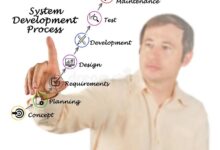
What Is the System Development Life Cycle?

The system development life cycle (SDLC) is a structured approach used to design, develop, test, and deploy information systems efficiently. It provides a clear roadmap for software and system engineers, ensuring projects are completed on time, within budget, and with high quality. SDLC is not just a methodology—it’s a discipline that brings order to the chaos of software creation.
Definition and Core Purpose
At its core, the system development life cycle is a framework that outlines the phases involved in developing a software system. Its primary purpose is to produce high-quality systems that meet or exceed customer expectations, are delivered on time, and stay within budget. By breaking down the development process into manageable phases, SDLC minimizes risks and increases the likelihood of project success.
- Ensures systematic planning and execution
- Facilitates stakeholder communication
- Improves project predictability and control
Historical Evolution of SDLC
The concept of SDLC emerged in the 1960s with the rise of large-scale business computing systems. Initially, it was a rigid, linear model known as the Waterfall method. Over time, as software complexity grew and user needs evolved, more flexible models like Agile and DevOps were introduced. Today, SDLC is a dynamic field, blending traditional structure with modern adaptability.
“The system development life cycle is the backbone of successful software engineering.” — IEEE Computer Society
The 7 Key Stages of the System Development Life Cycle
Understanding the system development life cycle means diving into its seven fundamental stages. Each phase plays a crucial role in transforming a concept into a fully functional system. Skipping or rushing through any of these stages can lead to costly errors, security vulnerabilities, or system failure.
1. Planning and Requirement Analysis
This is the foundation of the entire system development life cycle. During this phase, project managers and analysts gather detailed requirements from stakeholders. The goal is to understand what the system should do, who will use it, and under what conditions. This stage involves feasibility studies, risk assessment, and resource planning.
- Identify business objectives
- Conduct stakeholder interviews
- Define functional and non-functional requirements
A well-documented requirement specification becomes the blueprint for the entire project. Tools like UML diagrams and Confluence are often used to capture and organize these requirements.
2. System Design
Once requirements are clear, the next step in the system development life cycle is designing the system architecture. This phase translates user needs into technical specifications. Designers create models for data flow, system interfaces, database structure, and security protocols.
- Develop high-level and low-level design documents
- Select appropriate technologies and frameworks
- Design user interface mockups
The output of this stage is a comprehensive design document that serves as a guide for developers. It ensures that everyone on the team understands how the system will be built.
3. Implementation (Coding)
This is where the actual development happens. Programmers write code based on the design specifications. The implementation phase is often the longest and most resource-intensive part of the system development life cycle. Modern development environments use integrated development environments (IDEs) like IntelliJ IDEA or Visual Studio Code to streamline coding.
- Write modular, reusable code
- Follow coding standards and best practices
- Integrate third-party libraries and APIs
Version control systems like GitHub are essential during this phase to manage code changes and enable team collaboration.
Testing: Ensuring Quality in the System Development Life Cycle
No system is complete without rigorous testing. This phase is critical in the system development life cycle because it identifies bugs, performance issues, and security flaws before the system goes live. Testing is not a one-time event—it’s an ongoing process that occurs throughout development.
Types of Testing in SDLC
Different types of testing are applied at various stages of the system development life cycle:
- Unit Testing: Tests individual components or functions.
- Integration Testing: Ensures modules work together seamlessly.
- System Testing: Validates the complete system against requirements.
- User Acceptance Testing (UAT): End-users test the system in real-world scenarios.
Automated testing tools like Selenium and Jest help teams run tests efficiently and repeatedly.
Role of QA Teams
Quality Assurance (QA) teams are responsible for planning, executing, and reporting test results. They work closely with developers to reproduce bugs and verify fixes. A strong QA process reduces post-deployment issues and enhances user satisfaction.
“Testing shows the presence, not the absence of bugs.” — Edsger W. Dijkstra
Deployment: Launching the System
After successful testing, the system moves into the deployment phase of the system development life cycle. This is when the software is released to end-users. Deployment strategies vary depending on the project’s scale and risk tolerance.
Deployment Strategies
Common deployment approaches include:
- Big Bang Deployment: The entire system goes live at once.
- Phased Deployment: The system is rolled out in stages.
- Parallel Deployment: Old and new systems run simultaneously.
- Blue-Green Deployment: Two identical environments alternate between live and staging.
Tools like Docker and Kubernetes have revolutionized deployment by enabling containerization and orchestration.
Post-Deployment Monitoring
Once live, the system must be continuously monitored for performance, errors, and user feedback. Monitoring tools like New Relic and Grafana help teams detect issues in real time and respond quickly.
Maintenance and Evolution in the System Development Life Cycle
Contrary to popular belief, the system development life cycle doesn’t end at deployment. Maintenance is a long-term phase where the system is updated, optimized, and adapted to changing needs.
Types of Maintenance
Maintenance activities fall into four categories:
- Corrective: Fixing bugs discovered after deployment.
- Adaptive: Modifying the system to work in new environments (e.g., new OS).
- Perfective: Improving performance or usability.
- Preventive: Proactively updating code to prevent future issues.
According to a IEEE study, maintenance can consume up to 70% of a system’s total lifecycle cost.
Continuous Improvement and Feedback Loops
Modern SDLC models emphasize continuous improvement. User feedback, analytics, and performance metrics are used to guide future updates. This iterative approach ensures the system remains relevant and effective over time.
“Software is never finished; it only reaches a point of release.” — Grady Booch
Popular SDLC Models and Methodologies
While the system development life cycle follows a general structure, different projects require different methodologies. Choosing the right model is crucial for project success.
Waterfall Model
The Waterfall model is the oldest and most linear SDLC approach. Each phase must be completed before the next begins. It works well for projects with stable, well-defined requirements.
- Simple and easy to understand
- Clear milestones and deliverables
- Poor flexibility for changing requirements
Learn more about the Waterfall model on GeeksforGeeks.
Agile Model
Agile is an iterative and incremental approach to the system development life cycle. It emphasizes collaboration, customer feedback, and small, frequent releases.
- Highly adaptable to change
- Encourages team collaboration
- Requires experienced team members
Agile frameworks like Scrum and Kanban are widely used in modern software development.
DevOps Integration
DevOps combines development and operations to shorten the system development life cycle and deliver high-quality software continuously. It emphasizes automation, continuous integration (CI), and continuous deployment (CD).
- Reduces time-to-market
- Improves deployment frequency
- Enhances system reliability
Tools like Jenkins and AWS DevOps support DevOps practices.
Benefits of Following the System Development Life Cycle
Adopting a structured system development life cycle offers numerous advantages for organizations of all sizes.
Improved Project Management
SDLC provides a clear framework for planning, scheduling, and tracking progress. Project managers can set realistic timelines, allocate resources efficiently, and manage risks proactively.
- Clear deliverables at each stage
- Better budget control
- Enhanced accountability
Higher Quality Deliverables
By enforcing quality checks at every phase, SDLC ensures that the final product meets user requirements and industry standards. Early detection of defects reduces rework and technical debt.
“Quality is not an act, it is a habit.” — Aristotle
Enhanced Stakeholder Satisfaction
Regular communication and involvement of stakeholders throughout the system development life cycle lead to better alignment with business goals. Users feel heard, and their feedback shapes the final product.
- Transparency in development progress
- Opportunities for early feedback
- Higher adoption rates post-launch
Challenges and Limitations of the System Development Life Cycle
Despite its benefits, the system development life cycle is not without challenges. Organizations must be aware of potential pitfalls to use it effectively.
Rigidity in Traditional Models
Linear models like Waterfall can be too rigid for dynamic projects. If requirements change mid-way, going back to a previous phase can be costly and time-consuming.
- Difficult to accommodate late-stage changes
- High risk of misalignment with user needs
- Long feedback cycles
Resource Intensity
Following SDLC rigorously requires skilled personnel, time, and tools. Small teams or startups may find it difficult to implement all phases fully.
- Requires dedicated QA and documentation teams
- Can slow down rapid prototyping
- High initial investment
Over-Documentation
In some cases, SDLC can lead to excessive documentation that slows down development. The focus should be on creating useful, concise documentation—not filling templates.
“The only truly great documentation is the kind that gets used.” — Lisa Crispin
What is the main goal of the system development life cycle?
The main goal of the system development life cycle is to produce high-quality software systems that meet user requirements, are delivered on time and within budget, and are maintainable over time. It ensures a structured, disciplined approach to software development.
What are the 7 stages of SDLC?
The seven stages of the system development life cycle are: 1) Planning and Requirement Analysis, 2) System Design, 3) Implementation (Coding), 4) Testing, 5) Deployment, 6) Maintenance, and 7) Evaluation and Feedback. Each stage builds upon the previous one to ensure a successful outcome.
Which SDLC model is best for agile teams?
The Agile model is best suited for agile teams. It emphasizes iterative development, continuous feedback, and collaboration. Frameworks like Scrum and Kanban are commonly used within the Agile SDLC model to deliver value in short cycles.
How does DevOps enhance the system development life cycle?
DevOps enhances the system development life cycle by integrating development and operations teams, automating processes, and enabling continuous integration and deployment (CI/CD). This reduces delivery time, improves software quality, and increases deployment frequency.
Is the system development life cycle still relevant today?
Yes, the system development life cycle is still highly relevant. While modern approaches like Agile and DevOps have evolved, they are often seen as adaptations of SDLC rather than replacements. The core principles of planning, design, testing, and maintenance remain essential in any software project.
The system development life cycle is more than just a process—it’s a philosophy of disciplined, user-centered software engineering. From initial planning to long-term maintenance, each stage plays a vital role in delivering reliable, scalable, and secure systems. Whether you’re using a traditional Waterfall model or a cutting-edge DevOps pipeline, understanding SDLC is key to building software that stands the test of time. By embracing its principles, organizations can reduce risks, improve quality, and deliver greater value to their users.
Recommended for you 👇
Further Reading: