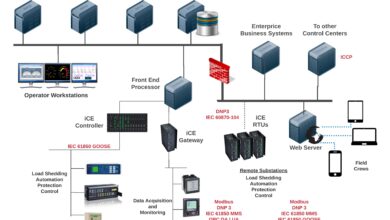
Ever wondered how companies make dozens of software tools work together like a well-oiled machine? It’s not magic—it’s system integration. In this deep dive, we’ll unpack everything from basics to advanced strategies, real-world examples, and future trends shaping how businesses connect their digital ecosystems.





What Is System Integration and Why It Matters

System integration is the process of connecting different computing systems, software applications, and technologies to function as a unified whole. Instead of operating in silos, integrated systems share data and processes seamlessly, improving efficiency, reducing errors, and enabling smarter decision-making.
In today’s fast-paced digital world, businesses rely on multiple platforms—CRM, ERP, HR systems, e-commerce, and more. Without proper integration, these systems become data islands, leading to duplicated efforts, outdated information, and poor user experiences. System integration bridges these gaps, ensuring that data flows smoothly across departments and platforms.
Core Definition and Scope
At its core, system integration involves linking various subsystems into one cohesive system. This can include legacy systems, cloud-based platforms, databases, and third-party services. The goal is interoperability—ensuring that each component can communicate and exchange data effectively.
According to IBM, system integration is essential for digital transformation, enabling organizations to respond faster to market changes and customer demands. IBM defines it as a strategic approach to aligning IT infrastructure with business goals.
- Connects disparate software and hardware systems
- Enables real-time data sharing and process automation
- Supports scalability and future technology adoption
Historical Evolution of System Integration
The concept of system integration isn’t new. It began in the 1960s with mainframe computing, where large organizations needed to link internal systems. As technology evolved, so did integration methods—from point-to-point connections in the 1980s to enterprise application integration (EAI) in the 1990s.
The rise of the internet and cloud computing in the 2000s revolutionized system integration. APIs (Application Programming Interfaces) became the backbone of modern integration, allowing systems to communicate over the web. Today, integration platforms like MuleSoft, Dell Boomi, and Microsoft Azure Logic Apps dominate the landscape.
“Integration is no longer a technical afterthought—it’s a business imperative.” — Gartner
Types of System Integration Approaches
Not all system integration is the same. Different business needs, technical environments, and scalability requirements call for different integration strategies. Choosing the right approach is critical to success.
Point-to-Point Integration
Also known as spaghetti integration, this method connects systems directly to one another using custom code or APIs. While simple for small setups, it becomes unmanageable as the number of systems grows.
For example, if you connect your CRM directly to your email marketing tool, and then separately to your billing system, you create multiple direct links. Adding a new system means building new connections for each existing one, leading to complexity.
- Fast to implement for two-system setups
- Becomes chaotic with more than a few systems
- Hard to maintain and debug
Vertical Integration (Silos-Based)
This approach groups systems by function or department—like finance, HR, or sales—and integrates them within their silo. While it improves internal workflows, it doesn’t solve cross-departmental data sharing.
For instance, an HR department might integrate payroll, time tracking, and benefits systems, but that data may not flow to the finance team automatically. This creates partial visibility and still requires manual exports or reports.
Vertical integration is often a stepping stone toward more comprehensive solutions but falls short of true enterprise-wide connectivity.
Horizontal Integration (Enterprise Service Bus – ESB)
Horizontal integration uses a central middleware platform—often called an Enterprise Service Bus (ESB)—to connect all systems. Instead of direct links, each system connects to the ESB, which routes data and manages communication.
This model is scalable and easier to maintain. When a new system is added, it only needs to connect to the ESB, not to every other system. Tools like Apache Camel, IBM Integration Bus, and Software AG webMethods are popular ESB solutions.
- Reduces complexity with a single integration layer
- Supports real-time data exchange
- High initial setup cost but lower long-term maintenance
Modern System Integration Technologies
Technology has transformed how system integration is implemented. Today’s solutions are faster, more flexible, and cloud-native, enabling businesses to adapt quickly to changing needs.
APIs and API Management
APIs (Application Programming Interfaces) are the building blocks of modern system integration. They define how software components should interact, allowing systems to request and exchange data securely.
REST APIs, in particular, have become the standard due to their simplicity and compatibility with web technologies. Companies like Twitter, Google, and Salesforce expose APIs so third-party apps can integrate with their platforms.
API management platforms—such as Apigee, AWS API Gateway, and Azure API Management—help organizations publish, secure, monitor, and scale their APIs. These tools ensure that integrations remain reliable and performant.
- Enable real-time, bidirectional data flow
- Support microservices architecture
- Allow third-party developers to build on your ecosystem
Integration Platform as a Service (iPaaS)
iPaaS solutions provide cloud-based platforms for building, deploying, and managing integrations without heavy infrastructure investment. They offer pre-built connectors, drag-and-drop workflows, and automated data mapping.
Popular iPaaS providers include MuleSoft Anypoint Platform, Dell Boomi, and Oracle Integration Cloud. These platforms are ideal for businesses with hybrid environments (on-premise and cloud) and those undergoing digital transformation.
According to a MarketsandMarkets report, the global iPaaS market is expected to grow from $6.2 billion in 2022 to $15.8 billion by 2027, reflecting its rising importance.
“iPaaS is democratizing integration, making it accessible to non-technical users.” — Forrester Research
Event-Driven and Real-Time Integration
Traditional integrations often rely on scheduled batches—data is synced every hour or day. But modern businesses need real-time insights. Event-driven integration solves this by triggering actions the moment a specific event occurs.
For example, when a customer places an order online, an event is fired that automatically updates inventory, sends a confirmation email, and notifies the warehouse. Tools like Apache Kafka, AWS EventBridge, and Google Cloud Pub/Sub enable this reactive architecture.
- Enables instant responses to business events
- Improves customer experience and operational agility
- Supports complex workflows across distributed systems
Benefits of Effective System Integration
When done right, system integration delivers transformative benefits across an organization. It’s not just about connecting software—it’s about unlocking value.
Improved Operational Efficiency
Manual data entry, duplicate records, and delayed updates are major productivity killers. System integration automates data flow between systems, eliminating redundant tasks.
For example, integrating your CRM with your accounting software ensures that every new sale automatically creates an invoice, reducing errors and saving hours of manual work. A study by Nucleus Research found that companies using integrated systems see a 20-30% increase in employee productivity.
Enhanced Data Accuracy and Consistency
Data silos lead to conflicting information. Sales might report one number, finance another. System integration ensures that everyone works from a single source of truth.
When customer data is updated in one system, it’s instantly reflected everywhere else. This consistency improves reporting accuracy and supports better decision-making. According to Gartner, poor data quality costs organizations an average of $12.9 million annually.
Better Customer Experience
Customers expect seamless interactions across channels. Whether they contact support, make a purchase, or check order status, they want consistent, up-to-date information.
Integrated systems enable this. A support agent can see a customer’s full history—orders, returns, communications—without switching between apps. This leads to faster resolutions and higher satisfaction. Salesforce reports that companies with integrated customer systems see a 36% improvement in customer retention.
- 360-degree customer view
- Faster response times
- Personalized marketing and service
Challenges in System Integration
Despite its benefits, system integration is not without hurdles. Organizations often face technical, organizational, and strategic challenges that can delay or derail projects.
Data Compatibility and Mapping Issues
Different systems store data in different formats. One system might use ‘Customer ID’ while another uses ‘Client_Number’. Field types may vary—date formats, currency symbols, or naming conventions can cause mismatches.
Data mapping—the process of aligning fields between systems—is time-consuming and error-prone. Without proper tools or governance, inconsistencies can lead to failed integrations or corrupted data.
“The devil is in the data details—mapping is where most integration projects stumble.” — TechTarget
Legacy System Limitations
Many organizations still rely on legacy systems—older software that may lack APIs, use outdated protocols, or run on obsolete hardware. Integrating these with modern cloud platforms is challenging.
For example, a 20-year-old ERP system might only support file-based exports, requiring custom scripts to extract and transform data. In some cases, organizations must build middleware or use robotic process automation (RPA) to bridge the gap.
- Legacy systems often lack documentation
- High risk of downtime during integration
- May require parallel systems during transition
Security and Compliance Risks
Connecting systems increases the attack surface. Every integration point is a potential vulnerability. Sensitive data—like customer PII or financial records—must be protected during transit and at rest.
Compliance with regulations like GDPR, HIPAA, or CCPA adds complexity. Organizations must ensure that integrated systems adhere to data protection rules, including audit trails, encryption, and access controls.
Best practices include using OAuth for authentication, encrypting data with TLS, and conducting regular security audits. The Ponemon Institute found that the average cost of a data breach in 2023 was $4.45 million—making security a top priority in system integration.
Best Practices for Successful System Integration
To overcome challenges and maximize ROI, organizations should follow proven best practices when planning and executing system integration projects.
Define Clear Objectives and KPIs
Start with the ‘why’. What business problem are you solving? Is it faster order processing? Better customer insights? Reduced IT costs?
Define measurable goals—such as reducing manual data entry by 50% or cutting report generation time from 4 hours to 15 minutes. These KPIs will guide your integration strategy and help measure success.
- Align integration goals with business strategy
- Involve stakeholders from all departments
- Set realistic timelines and budgets
Choose the Right Integration Architecture
Not every integration method fits every business. Assess your current systems, future needs, and technical capabilities before choosing an approach.
For small businesses with a few cloud apps, iPaaS might be ideal. Large enterprises with complex legacy systems may need a hybrid approach combining ESB, APIs, and RPA.
Consider scalability. Will your integration solution support new systems in 2-3 years? Can it handle increased data volume?
Invest in Data Governance
Data governance ensures that data is accurate, consistent, and secure across integrated systems. It includes policies for data ownership, quality standards, and lifecycle management.
Establish a data governance team with representatives from IT, compliance, and business units. Use tools like data catalogs and master data management (MDM) systems to maintain control.
Without governance, integration can lead to data chaos—duplicate records, conflicting versions, and compliance risks.
“You can’t integrate what you don’t understand—data governance is the foundation.” — MIT Sloan
Real-World Examples of System Integration Success
Theoretical knowledge is valuable, but real-world examples show how system integration drives tangible results.
Retail: Omnichannel Integration at Nike
Nike transformed its customer experience by integrating its e-commerce platform, mobile app, in-store systems, and supply chain. When a customer browses products online, that data is used to personalize in-store experiences.
Inventory is synchronized in real time, so customers can check product availability at nearby stores. Orders can be placed online and picked up in-store (BOPIS), reducing delivery costs and improving satisfaction.
This integration contributed to a 30% increase in digital sales and a significant boost in customer loyalty.
Healthcare: Electronic Health Records (EHR) Integration
Hospitals and clinics use multiple systems—EHR, billing, lab, pharmacy. Without integration, patient data is fragmented, leading to errors and delays.
Mayo Clinic implemented a system integration strategy that connected all clinical and administrative systems. Doctors can now access complete patient histories instantly, reducing duplicate tests and improving diagnosis accuracy.
The integration also streamlined billing, reducing claim denials by 25% and accelerating revenue cycles.
Manufacturing: IoT and ERP Integration at Siemens
Siemens integrated its factory IoT sensors with its ERP system to enable predictive maintenance. Machines send real-time performance data to the ERP, which analyzes trends and schedules maintenance before failures occur.
This proactive approach reduced unplanned downtime by 40% and extended equipment lifespan. It also improved production planning and inventory management.
- Real-time monitoring of production lines
- Automated work orders based on machine data
- Improved supply chain coordination
Future Trends in System Integration
The field of system integration is evolving rapidly, driven by AI, automation, and changing business models. Staying ahead of trends ensures long-term success.
AI-Powered Integration
Artificial intelligence is making integration smarter. AI can automatically detect data patterns, suggest field mappings, and even generate integration workflows.
For example, Microsoft’s Power Automate uses AI to recommend actions based on user behavior. MuleSoft’s Composer leverages AI to help non-developers build integrations using natural language.
In the future, AI could predict integration failures, optimize data flows, and self-heal broken connections.
Low-Code and No-Code Integration Tools
These platforms empower business users—not just IT teams—to build integrations. With drag-and-drop interfaces and pre-built templates, non-technical staff can connect apps without writing code.
Tools like Zapier, Make (formerly Integromat), and Workato are gaining popularity. Gartner predicts that by 2025, 70% of new integrations will be built by non-IT professionals using low-code tools.
“Democratizing integration is the next frontier.” — McKinsey & Company
Integration of Edge Computing and 5G
As IoT devices and edge computing grow, integration must extend beyond the data center. 5G enables ultra-fast, low-latency communication between edge devices and central systems.
For example, autonomous vehicles generate terabytes of data. Integrating this data in real time with traffic management systems requires edge-to-cloud integration. This trend will accelerate in smart cities, manufacturing, and logistics.
How to Get Started with System Integration
Ready to begin your integration journey? Here’s a step-by-step guide to get you started on the right foot.
Assess Your Current Systems
Inventory all your software, databases, and hardware. Document what each system does, who uses it, and how it connects (or doesn’t) to others.
Identify pain points: Where is data duplicated? Which processes are manual? What systems cause delays?
Prioritize Integration Projects
You don’t need to integrate everything at once. Start with high-impact, low-complexity projects—like connecting your CRM and email marketing tool.
Use a scoring matrix to evaluate projects based on business value, technical feasibility, and risk. Focus on quick wins to build momentum.
Select the Right Tools and Partners
Choose integration tools that match your technical environment and skill level. For cloud-heavy setups, iPaaS is ideal. For complex enterprise needs, consider ESB or custom middleware.
If you lack in-house expertise, partner with integration specialists. Firms like Accenture, Deloitte, and Capgemini offer end-to-end integration services.
- Evaluate vendors based on connectors, scalability, and support
- Look for strong security and compliance features
- Consider total cost of ownership (TCO), not just upfront price
What is system integration?
System integration is the process of connecting different software systems, applications, and technologies so they can work together as a unified system. It enables seamless data exchange and process automation across platforms, improving efficiency and decision-making.
What are the main types of system integration?
The main types include point-to-point, vertical (silos-based), horizontal (using an Enterprise Service Bus), and modern approaches like iPaaS and API-led integration. Each has its use cases depending on complexity and scalability needs.
What are the benefits of system integration?
Key benefits include improved operational efficiency, enhanced data accuracy, better customer experiences, reduced manual work, and faster decision-making. Integrated systems also support scalability and digital transformation.
What are common challenges in system integration?
Common challenges include data compatibility issues, legacy system limitations, security risks, lack of skilled personnel, and poor data governance. These can be mitigated with proper planning, tools, and best practices.
How do APIs support system integration?
APIs (Application Programming Interfaces) act as intermediaries that allow different systems to communicate. They define how data should be requested and shared, enabling real-time, secure, and standardized integration between applications.
System integration is no longer optional—it’s a strategic necessity. From streamlining operations to enhancing customer experiences, the ability to connect systems effectively defines competitive advantage in the digital age. By understanding the types, technologies, and best practices outlined in this guide, organizations can build resilient, scalable, and future-ready integration architectures. The journey may be complex, but the rewards—efficiency, insight, and agility—are well worth the effort.
Further Reading: