Ever wondered how top performers stay organized, focused, and consistently productive? The secret might be simpler than you think: a system journal. This powerful tool blends structure with reflection, turning daily chaos into clarity and action.
What Is a System Journal and Why It Matters
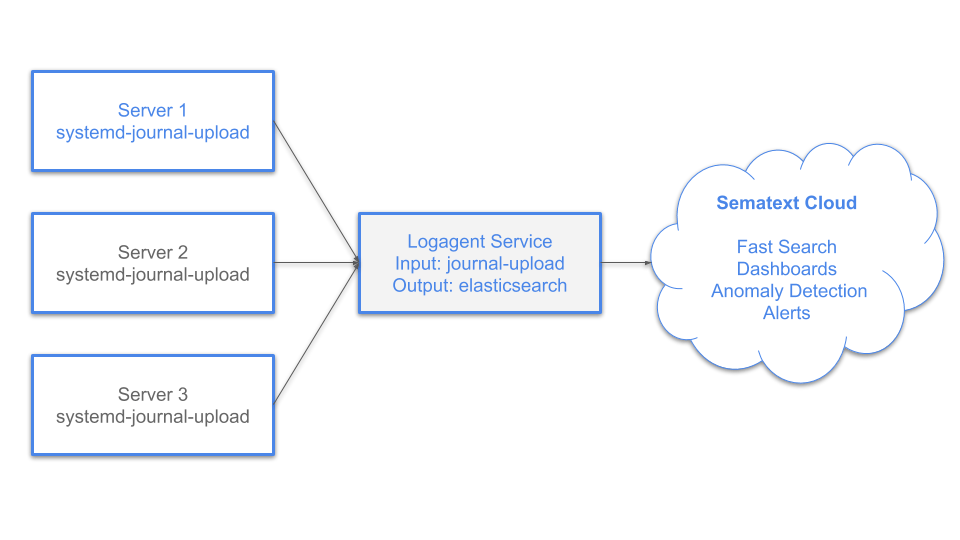
A system journal is more than just a diary or planner—it’s a structured method of documenting, analyzing, and optimizing your personal or professional systems. Unlike traditional journals that focus on emotions or events, a system journal emphasizes processes, workflows, habits, and feedback loops. It’s the backbone of continuous improvement for individuals and teams alike.
Defining the Core Concept
The term system journal refers to a documented log that tracks how systems function over time. Whether it’s your morning routine, project management workflow, or team communication strategy, a system journal captures what works, what fails, and why. It transforms abstract ideas into measurable, repeatable actions.
- Tracks inputs, processes, and outputs of personal or organizational systems
- Encourages metacognition—thinking about how you think and act
- Creates a feedback mechanism for iterative improvement
“The quality of your systems determines the quality of your results.” — Tim Ferriss
How It Differs From Traditional Journals
While a gratitude journal focuses on feelings and a bullet journal on tasks, a system journal zeroes in on functionality. It asks: Is this process working? Can it be streamlined? What variables affect its success? This analytical lens makes it indispensable for high achievers, entrepreneurs, and knowledge workers.
- Traditional journal: Emotion-based, narrative-driven
- Bullet journal: Task-oriented, organizational
- System journal: Process-focused, optimization-driven
The Science Behind Systematic Reflection
Research in cognitive psychology shows that reflective practice enhances learning and performance. A study published in the Harvard Business Review found that employees who spent 15 minutes at the end of the day reflecting performed 23% better after 10 days than those who didn’t. A system journal formalizes this reflection into a scalable habit.
7 Key Benefits of Keeping a System Journal
Integrating a system journal into your routine isn’t just about writing things down—it’s about engineering better outcomes. Here are seven transformative benefits backed by real-world applications and research.
1. Enhances Self-Awareness and Clarity
When you document your daily systems—like decision-making patterns or energy levels—you begin to see invisible habits. This self-awareness is the first step toward meaningful change. A system journal acts as a mirror, revealing inefficiencies you didn’t know existed.
- Identifies emotional triggers affecting productivity
- Maps out time-wasters in workflows
- Clarifies personal values versus actual behaviors
2. Drives Continuous Improvement
The core principle of a system journal is iteration. By recording outcomes and adjusting inputs, you create a personal Kaizen loop—small, consistent improvements that compound over time. This is especially valuable in fast-paced environments where adaptability is key.
- Enables A/B testing of habits (e.g., morning routines)
- Tracks KPIs for personal goals (e.g., focus duration, task completion rate)
- Supports data-driven decisions instead of guesswork
3. Boosts Accountability and Follow-Through
Writing down your systems increases commitment. According to Dr. Gail Matthews at Dominican University, people who write down their goals are 42% more likely to achieve them. A system journal extends this principle beyond goals to the very mechanisms that make them possible.
- Documents promises made to yourself and others
- Logs progress on long-term projects
- Reduces procrastination through visible tracking
4. Improves Problem-Solving Skills
When issues arise, a system journal provides historical context. Instead of reacting emotionally, you can review past entries to identify root causes. This turns problems into puzzles—and puzzles are solvable.
- Reveals patterns in recurring challenges
- Helps isolate variables in complex situations
- Encourages root-cause analysis over surface fixes
5. Strengthens Memory and Cognitive Function
Journaling engages multiple brain regions, including those responsible for memory consolidation and executive function. A system journal, with its structured format, further enhances these benefits by requiring categorization, analysis, and synthesis of information.
- Reduces cognitive load by externalizing thoughts
- Improves retention of learned systems and frameworks
- Supports neuroplasticity through regular mental exercise
6. Facilitates Better Decision-Making
Decisions are only as good as the information behind them. A system journal accumulates real-time data about what works and what doesn’t. Over time, this builds a personal database of evidence-based insights that guide smarter choices.
- Documents decision criteria and outcomes
- Highlights biases in judgment (e.g., overconfidence, anchoring)
- Enables comparison of alternative strategies
7. Supports Long-Term Growth and Legacy Building
Unlike fleeting notes or digital scraps, a well-maintained system journal becomes a living archive of personal evolution. Future you—or even others—can learn from your journey. Think of it as a blueprint for replicable success.
- Preserves institutional knowledge
- Acts as a mentorship tool for teams or successors
- Documents failures as much as successes, providing balanced insight
How to Start Your Own System Journal: A Step-by-Step Guide
Starting a system journal doesn’t require fancy tools or years of training. With the right approach, anyone can begin today. Here’s a proven framework to get you started.
Step 1: Choose Your Medium
You can keep a system journal digitally (using apps like Notion, Obsidian, or Google Docs) or analog (with a physical notebook). Each has pros and cons:
- Digital: Searchable, shareable, integrates with calendars and task managers
- Analog: Less distracting, enhances memory retention, tactile satisfaction
The best choice depends on your lifestyle and preferences. Many people use a hybrid model—writing initial thoughts by hand and transferring key insights digitally.
Step 2: Define Your Core Systems
Before journaling, identify the systems you want to track. These could include:
- Morning and evening routines
- Work productivity methods (e.g., Pomodoro, time blocking)
- Health habits (sleep, nutrition, exercise)
- Learning and skill development processes
- Communication workflows (email, meetings, collaboration)
Start with 2–3 key areas to avoid overwhelm.
Step 3: Design Your Journal Structure
A well-structured system journal includes consistent sections for clarity and ease of review. Consider this template:
- Date & Time: When was the entry made?
- System Tracked: Which process are you evaluating?
- Inputs: What resources, mindset, or conditions were present?
- Process: What steps did you follow?
- Outputs: What were the results?
- Reflection: What worked? What didn’t? Why?
- Adjustments: What will you change next time?
You can adapt this template based on your needs. For example, a creative professional might add “inspiration sources,” while a manager might include “team feedback.”
Step 4: Establish a Daily or Weekly Routine
Consistency is key. Set a fixed time to update your system journal—ideally at the end of the day or week. Even 10 minutes daily can yield profound insights over time.
- Use calendar reminders to build the habit
- Pair journaling with an existing ritual (e.g., after coffee)
- Start small: Focus on one system for the first month
Step 5: Review and Iterate Monthly
Every month, dedicate time to review your entries. Look for patterns, breakthroughs, and recurring obstacles. Ask yourself:
- Which systems are delivering the best results?
- Where am I stuck in loops or inefficiencies?
- What new experiment should I try next month?
This monthly audit turns your system journal into a strategic planning tool.
Real-World Applications of the System Journal
The power of a system journal isn’t theoretical—it’s being used by elite performers across industries. From athletes to CEOs, the practice of systematic reflection is a common thread in sustained success.
Athletes and Peak Performance
Professional athletes use system journals to track training loads, recovery, nutrition, and mental state. For example, tennis legend Novak Djokovic keeps detailed logs of his diet, sleep, and match strategies. These records help his coaching team optimize performance and prevent burnout.
- Tracks physical metrics (heart rate, sleep quality)
- Logs emotional state before competitions
- Reviews tactical decisions post-game
As noted by the National Center for Biotechnology Information, systematic monitoring improves athletic adaptation and injury prevention.
Entrepreneurs and Business Leaders
Founders like Elon Musk and Bill Gates are known for their rigorous reflection practices. While they may not call it a “system journal,” their habit of deep thinking and documentation aligns perfectly with the concept. Entrepreneurs use system journals to:
- Test business model assumptions
- Track customer feedback loops
- Optimize team communication structures
- Reflect on leadership decisions
In fast-moving startups, a system journal can be the difference between chaotic growth and scalable success.
Students and Lifelong Learners
In education, a system journal helps learners understand how they learn best. Instead of just recording notes, students document their study methods, retention rates, and focus levels. This metacognitive approach leads to more effective learning.
- Tests different memorization techniques (spaced repetition vs. cramming)
- Tracks concentration spans during study sessions
- Reflects on exam performance vs. preparation quality
Research from Carnegie Mellon University shows that metacognitive strategies significantly improve academic outcomes.
Advanced Techniques for Maximizing Your System Journal
Once you’ve mastered the basics, you can elevate your system journal with advanced techniques that amplify its impact.
Incorporate Quantitative Metrics
Numbers add objectivity. Instead of writing “I felt productive,” track measurable data like:
- Hours of deep work completed
- Tasks finished vs. planned
- Energy levels on a 1–10 scale
- Number of distractions encountered
Tools like Toggl, RescueTime, or even simple spreadsheets can feed data into your journal.
Use Visual Mapping and Diagrams
Sometimes words aren’t enough. Incorporate flowcharts, mind maps, or process diagrams to visualize complex systems. For example, map out your decision-making process for client onboarding or your content creation pipeline.
- Draw cause-and-effect relationships
- Highlight bottlenecks in workflows
- Create before-and-after comparisons of system changes
Link to External Resources
Turn your system journal into a knowledge hub by linking to relevant articles, videos, or tools. For instance, if you’re experimenting with a new productivity method, attach a link to the original source or tutorial.
- Embed URLs to research papers or blog posts
- Attach screenshots of dashboards or analytics
- Reference books or podcasts that influenced your thinking
Practice Weekly Thematic Reviews
Instead of reviewing everything at once, dedicate each week to a theme: energy management, communication, creativity, etc. This focused approach allows deeper analysis and prevents cognitive overload.
- Week 1: Focus on morning routines
- Week 2: Analyze meeting efficiency
- Week 3: Evaluate learning retention
- Week 4: Review financial decision patterns
Common Pitfalls and How to Avoid Them
Even with the best intentions, many people struggle to maintain a system journal. Here are the most common pitfalls—and how to overcome them.
Pitfall 1: Overcomplicating the Process
Some try to create a perfect journal with elaborate templates and categories. This leads to friction and abandonment. Start simple. A single page per day with three questions is enough:
- What system did I use today?
- How well did it work?
- What will I change tomorrow?
Perfection is the enemy of progress.
Pitfall 2: Inconsistent Entries
Skipping days breaks the feedback loop. To stay consistent:
- Set a recurring reminder
- Keep your journal visible (on your desk or phone home screen)
- Use voice-to-text if writing feels tedious
Even a one-sentence entry maintains the habit.
Pitfall 3: Lack of Actionable Insights
A journal filled with observations but no adjustments is just a log. Always end each entry with a decision: “Tomorrow, I will try X.” This closes the loop between reflection and action.
- Ask: “What’s one small change I can make?”
- Test the change within 48 hours
- Record the outcome in the next entry
Pitfall 4: Not Reviewing Regularly
Without periodic reviews, insights remain buried. Schedule a monthly “journal audit” to extract value. Ask:
- What patterns emerge?
- Which experiments succeeded?
- What should I stop, start, or continue?
This transforms your system journal from a passive record to an active strategy tool.
Tools and Apps to Enhance Your System Journal
While a notebook works perfectly, digital tools can amplify the power of your system journal. Here are some top options.
Notion: The All-in-One Workspace
Notion allows you to create customizable databases, templates, and dashboards. You can build a full system journal with linked pages, tags, and calendars. Its flexibility makes it ideal for complex systems.
- Create templates for daily, weekly, and monthly reviews
- Link entries to tasks and projects
- Use toggle lists to hide detailed notes
Obsidian: For Deep Thinkers
Obsidian is a powerful knowledge management tool that uses bidirectional linking. It’s perfect for connecting ideas across entries and building a personal “second brain.”
- Link related journal entries (e.g., “morning routine” → “energy levels”)
- Visualize connections with graph view
- Write in Markdown for clean, portable formatting
Google Docs: Simple and Accessible
For those who prefer simplicity, Google Docs is a reliable choice. It’s free, cloud-based, and easy to share. Use headings and tables to structure your journal.
- Enable version history to track changes
- Use comments for self-feedback
- Share with a coach or mentor for accountability
Pen and Paper: The Timeless Option
Don’t underestimate the power of analog. Writing by hand engages the brain differently, improving comprehension and retention. Brands like Leuchtturm1917 or Moo offer high-quality notebooks ideal for system journaling.
- Reduces screen time and digital distractions
- Encourages deeper focus during writing
- Creates a tangible record of growth
System Journal vs. Other Productivity Methods
With so many productivity tools available, how does a system journal compare? Let’s examine its unique advantages.
System Journal vs. Bullet Journal
While both involve journaling, their purposes differ. A bullet journal, created by Ryder Carroll, is primarily a task and event tracker using rapid logging. A system journal, however, focuses on analyzing and improving processes. Think of it this way:
- Bullet journal: What needs to get done?
- System journal: How can I do it better?
They can complement each other—use a bullet journal for tasks and a system journal for process refinement.
System Journal vs. Habit Trackers
Habit trackers (like Habitica or Streaks) focus on consistency—doing the same thing every day. A system journal goes deeper by asking why a habit works or fails. It explores context, environment, and internal state, not just frequency.
- Habit tracker: Did I meditate today?
- System journal: Why did I skip meditation? Was it lack of time, motivation, or environment?
System Journal vs. Digital Planners
Digital planners (e.g., Google Calendar, Outlook) excel at scheduling but lack reflection space. A system journal fills that gap by providing context around appointments and deadlines. It answers: Was this meeting effective? Did I prepare well?
- Digital planner: When is the meeting?
- System journal: How did the meeting go? What could be improved?
What is a system journal?
A system journal is a structured log used to document, analyze, and optimize personal or professional processes. It focuses on how systems function, what variables affect them, and how they can be improved over time.
How often should I update my system journal?
For best results, update your system journal daily or at least weekly. Daily entries capture real-time insights, while weekly reviews allow for broader pattern recognition. Consistency matters more than frequency.
Can I use a digital tool for my system journal?
Absolutely. Tools like Notion, Obsidian, or Google Docs are excellent for digital system journals. They offer searchability, linking, and integration with other apps. However, analog notebooks are equally effective for those who prefer handwriting.
What should I include in a system journal entry?
A typical entry includes the date, system being tracked, inputs (conditions), process steps, outputs (results), reflection on performance, and planned adjustments. Customize based on your goals.
Is a system journal only for professionals or entrepreneurs?
No, anyone can benefit from a system journal—students, artists, parents, athletes, or retirees. It’s a universal tool for improving any repeatable process in life.
A system journal is more than a notebook—it’s a strategic asset for anyone committed to growth. By documenting your systems, reflecting on outcomes, and making data-informed adjustments, you turn everyday actions into a science of success. Whether you’re an entrepreneur optimizing workflows, a student mastering learning techniques, or an individual seeking clarity, the system journal offers a proven path to peak performance. Start simple, stay consistent, and let your journal become the blueprint for a better you.
Further Reading:
